
Convenience store foodservice is entering a new phase of competition. As quick service restaurant brands expand into c store environments through branded kiosks, co branded programs, and elevated food offerings, the expectations placed on in store foodservice continue to rise.
Customers are no longer comparing one convenience store to another. They are comparing the experience to the last foodservice environment they visited.
That shift is redefining what “good” looks like.
The Standard Is Changing
QSR brands have spent decades refining speed, consistency, and presentation. As those brands enter the convenience channel, those same expectations follow.
Customers now expect:
- Clear visibility of food options
- Consistent product presentation
- Fast and intuitive access
- Clean, organized environments
These expectations are not optional. They are becoming the baseline.
Visibility Drives Engagement
One of the most immediate differences between high performing and underperforming foodservice programs is visibility.
When food is easy to see, easy to understand, and positioned within the natural customer path, engagement increases.
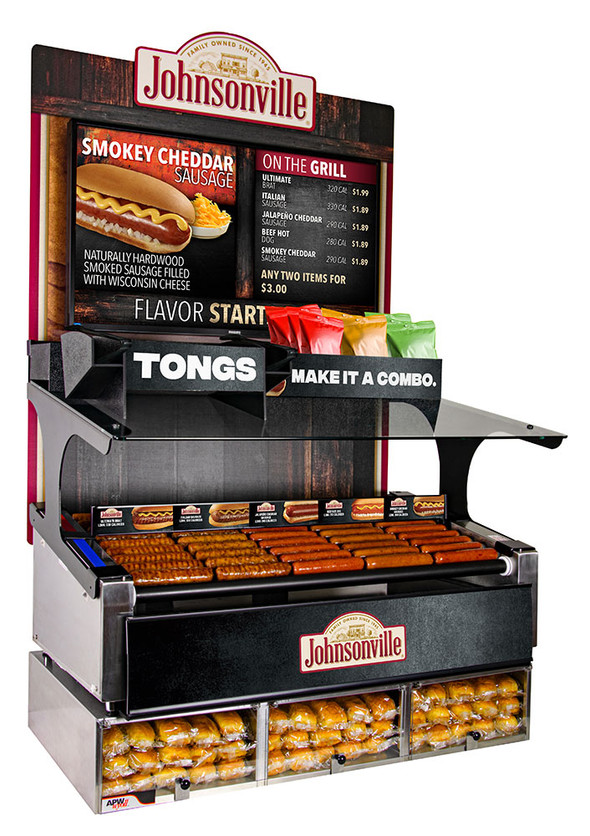
Bakery cases, roller grill displays, and hot food stations that are clearly visible drive impulse behavior. When those same products are hidden or poorly organized, they are often overlooked entirely.
This is where merchandising and equipment design play a direct role in performance.
Infrastructure Impacts Performance
As foodservice programs expand, the physical environment becomes more important.
Layout, flow, and organization directly influence:
- How quickly customers make decisions
- How easily staff can maintain product availability
- How consistently food is presented throughout the day
When infrastructure supports the program, execution becomes repeatable. When it does not, performance becomes inconsistent.
Supporting this level of execution often requires solutions like those available through FOODPROS.
For operators looking to align infrastructure with long term performance, Food Concepts, Inc. outlines how evolving foodservice expectations are reshaping the convenience retail environment.
Speed and Simplicity Win
Convenience customers are time sensitive. They are not looking for complexity.
They are looking for:
- Fast selection
- Clear choices
- Minimal friction
If a customer can quickly understand what is available and move through the process without hesitation, the likelihood of purchase increases.
When they cannot, they move on.
Consistency at Scale
For operators managing multiple locations, consistency becomes one of the biggest challenges.
Without standardized systems, layouts, and merchandising strategies, foodservice programs can vary significantly from store to store.
That inconsistency impacts both customer perception and operational efficiency.
Consistency is not achieved through effort alone. It is supported by systems designed to perform the same way every time.
The Bigger Shift
This is not just about adding more food options.
It is about aligning the entire environment with rising expectations.
As QSR influence continues to shape the convenience retail space, operators who invest in visibility, infrastructure, and consistency will be positioned to compete more effectively.
Those who do not will struggle to keep pace.