
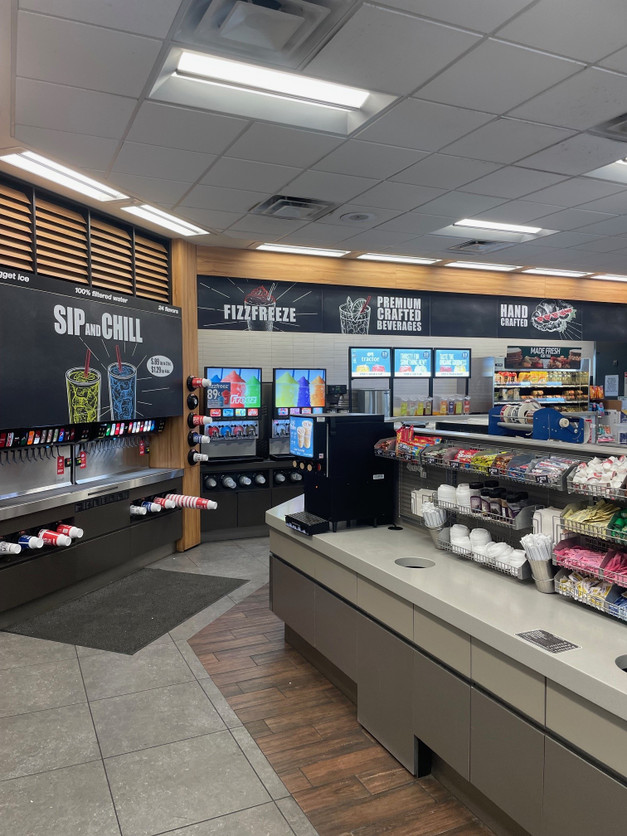
How Consistency, Merchandising, and Operational Excellence Create Better Customer Experiences
Successful foodservice programs don't succeed because of one big decision.
They're built through hundreds of small ones.
How products are displayed.
Whether equipment is clean and well-maintained.
How easy it is for customers to understand what's being offered.
Whether food looks fresh, organized, and ready to enjoy.
Individually, these decisions may seem routine.
Together, they shape the customer experience.
Great food is only part of a successful foodservice program.
Consistent execution brings everything together.
That's what separates a good foodservice program from one customers remember and return to.
Customers don't separate one part of the experience from another.
They don't think about equipment, merchandising, cleanliness, or product presentation as individual elements.
We recently explored this idea in our RollerGrill article, What Makes Someone Stop?, where we discuss why customers begin forming opinions about a foodservice program long before they decide to make a purchase.
They simply decide whether the overall experience inspires confidence.
That's why successful foodservice programs are built through consistent operational practices that support the customer experience every day.
We expanded on this idea in our FCI article, Customer Experience Begins Before the First Bite, exploring how merchandising, presentation, and customer confidence shape the overall foodservice experience.
Consistency Creates Customer Confidence
Customers notice consistency.
A clean foodservice area.
Well-stocked products.
Clear signage.
Fresh presentation.
Equipment that looks ready for service.
Customers often make purchasing decisions within moments. During that time, they notice far more than the food itself. They notice whether products appear fresh, whether the area looks well maintained, and whether the overall environment feels inviting.
When those details remain consistent throughout the day, customers begin to trust the foodservice program. That confidence encourages repeat visits and helps establish long-term loyalty.
Together, these details help customers feel confident choosing prepared food.
The opposite is also true.
Missing products.
Disorganized displays.
Empty equipment.
Poor presentation.
Each creates uncertainty.
Consistency isn't about perfection.
It's about creating an experience customers can trust every time they visit.
Merchandising Helps Customers Make Decisions
Customers shouldn't have to search for great food.
Every additional moment spent wondering what's available or where to find it creates friction in the buying process. Clear merchandising, organized displays, and thoughtful equipment placement help remove that friction, making it easier for customers to make confident purchasing decisions.
Successful merchandising doesn't simply display products. It helps customers understand what is available and makes purchasing decisions easier.
Thoughtful merchandising makes foodservice easier to discover and easier to shop.
Clear product identification.
Organized displays.
Logical equipment placement.
Clean condiment stations.
Together, these elements reduce uncertainty and help customers quickly understand what's available.
Industry experience reinforces this approach. In its June 2025 article, Master Your Merchandise, NACS Magazine explains how clean, organized displays make it easier for customers to navigate the store and discover products. The article also notes that thoughtful merchandising helps reduce shopping friction and creates a more enjoyable customer experience.
Good merchandising doesn't pressure customers into making purchases.
It reduces hesitation.
When customers immediately understand what is available and how to purchase it, they spend less time deciding and more time enjoying the experience.
Successful merchandising isn't about attracting attention for its own sake.
It's about making the customer's decision easier.
Equipment Supports the Experience
Equipment plays an important role in every foodservice program.
But equipment works best when it's supported by thoughtful operations.
Every piece of equipment should contribute to a larger operational objective.
Commercial roller grills, beverage equipment, merchandising solutions, and thoughtful store layouts all work together to create foodservice destinations that feel organized, professional, and easy to shop. Bakery cases and food protection solutions also play an important role in helping customers feel confident in the overall foodservice experience.
The goal isn't simply to install equipment. It's to create an experience customers trust.
When equipment, merchandising, and daily execution work together, customers spend less time deciding and more time enjoying the experience.
Small Improvements Create Meaningful Results
Operational excellence isn't achieved all at once.
It's built through continuous improvement.
Refilling products before displays look empty.
Keeping equipment clean throughout the day.
Updating graphics when needed.
Maintaining organized foodservice areas.
Reviewing the customer experience regularly.
Many of the improvements that have the greatest impact require very little investment.
Refreshing graphics.
Reorganizing a display.
Replacing missing signage.
Straightening products.
Cleaning equipment throughout the day.
Individually, these actions may seem minor. Together, they communicate professionalism and reinforce customer confidence.
None of these improvements are complicated.
Together, they help create foodservice programs customers notice, trust, and return to.
Great Foodservice Programs Never Stop Improving
Every successful foodservice program reflects hundreds of operational decisions made throughout the day.
Some decisions improve efficiency.
Others improve presentation.
Many strengthen customer confidence.
Together, they improve the overall customer experience.
Operational excellence is never finished. Customer expectations continue to evolve, making continuous improvement part of the daily routine rather than an occasional project.
That commitment to improvement helps create foodservice programs that remain relevant, dependable, and successful over time.
Over time, those decisions shape how customers experience the foodservice program and whether they choose to return.
Every decision contributes to the overall experience.
The goal isn't simply to operate equipment or prepare quality food.
It's to create an experience that consistently earns customer trust.
Because successful foodservice programs aren't built through one big decision.
They're built one thoughtful decision at a time.
Frequently Asked Questions
How can I create a more consistent foodservice experience?
Consistency starts with daily execution. Maintaining clean equipment, keeping products well stocked, using clear signage, and following consistent merchandising standards all help create a foodservice experience customers recognize and trust.
Why is merchandising important in foodservice?
Merchandising helps customers quickly discover available food options and understand what is being offered. Organized displays, clear product identification, and thoughtful presentation make prepared food easier to shop and encourage customer confidence.
How can I improve the customer experience in foodservice?
Improving the customer experience begins with understanding what customers notice first. Cleanliness, organization, product availability, and thoughtful presentation all contribute to an environment that encourages customers to explore and purchase.
What makes a successful foodservice program?
Successful foodservice programs combine quality food with consistent operations, thoughtful merchandising, well-maintained equipment, and a customer-focused experience. Every detail works together to build confidence and encourage repeat visits.
How can I increase foodservice sales?
Increasing foodservice sales starts with creating an experience customers want to engage with. Clean presentation, consistent execution, effective merchandising, and easy product discovery all help encourage purchases and build long-term customer loyalty.