
Convenience-store foodservice is expanding fast.
Menus are getting broader. Dayparts are blurring. Operators are looking at breakfast, lunch, snacks, grab-and-go, limited-time offers, and bundled meal deals not as separate ideas, but as part of one larger foodservice opportunity.
That growth is exciting, but it also creates a practical question:
How do you choose foodservice equipment that can keep up with a growing menu without making the operation harder to run?
The answer is not simply buying more equipment.
It is choosing equipment that gives the store enough flexibility, capacity, and operational fit to support change over time.
Start with the menu direction, not just the equipment
A growing menu usually means the operation is trying to do more than one thing.
Maybe breakfast is getting stronger. Maybe lunch is expanding. Maybe the store wants to test LTOs, rotate flavors, or give customers more variety without overcomplicating the program.
Before choosing equipment, step back and ask:
- What menu categories are growing?
- Which dayparts matter most?
- Are you building around grab-and-go, made-to-order, hot holding, or self-serve?
- Will the same equipment need to support multiple products?
The goal is not to buy equipment for one item.
The goal is to choose equipment that supports the broader direction of the program.
Look for equipment that can do more than one job
As menus grow, flexibility becomes more valuable.
Operators do not always need a completely different platform every time the offer changes. In many cases, the strongest choice is equipment that can support multiple products, multiple dayparts or multiple merchandising strategies over time.
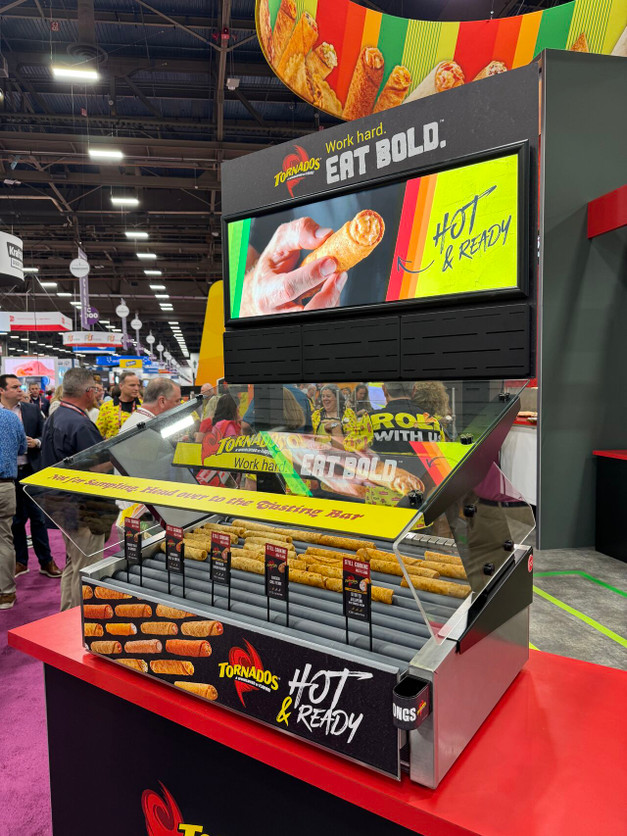
That is one reason roller grill programs continue to matter. A single platform can support breakfast items, lunch items, snacks, and rotating flavor options without forcing the store to rebuild the entire setup.
The same thinking applies across other foodservice categories.
When evaluating equipment, ask:
- Can this support more than one menu use?
- Can it flex as product mix changes?
- Can it handle seasonal or limited-time offers?
- Will it still be useful if the menu evolves next year?
A growing menu needs room to grow.
Capacity matters, but only if it matches the operation
Bigger is not always better.
One of the most common mistakes in foodservice equipment selection is choosing based on what looks impressive instead of what actually fits the store’s demand, labor model, and replenishment ability.
The better question is:
What level of capacity can the store consistently support?
That means looking at:
- peak traffic times
- expected product volume
- holding times
- replenishment frequency
- labor availability
- waste risk
The right equipment should help the store meet demand without creating unnecessary shrink, labor strain, or operational friction.
Footprint still matters
A growing menu does not automatically mean a bigger store.
In many c-stores, the challenge is making the existing footprint work harder.
That is why equipment selection has to consider:
- available counter space
- aisle clearance
- customer flow
- employee access
- surrounding merchandising
- cleaning and replenishment access
Some stores need compact equipment. Some need ventless solutions. Some need 120V or plug-and-play options. Some need modular solutions that let the surrounding space adapt as the program changes.
The equipment may be the focal point, but the success of the program often depends on how well it fits into the larger environment around it.
Make sure the equipment works for the employee, too
A growing menu creates more operational demands.
More products can mean more replenishment, more cleaning, more training and more opportunities for inconsistency if the setup is too complicated.
That is why equipment should not only look good on paper. It also needs to work in the real conditions of the store.
Ask:
- Is it easy to operate?
- Is it easy to clean?
- Is it easy to stock and replenish?
- Will a new employee understand how to use it?
- Can the team maintain it during busy periods?
If the answer is no, the program may struggle no matter how strong the menu looks.
Merchandising matters more as menus expand
As the foodservice offer grows, clarity becomes more important.
Customers should be able to quickly understand:
- what is available
- what makes the offer appealing
- how products fit different meal occasions
- what is breakfast, snack, lunch or bundled
The equipment itself plays a role in that.
Visibility, accessibility, food protection, signage, and surrounding merchandising all shape how easy the offer is to shop.
A growing menu only creates more value if customers can understand it and buy from it easily.
Plan for change, not just today’s menu
Today’s menu is not the final menu.
That may be the most important takeaway of all.
C-store foodservice keeps evolving. Operators are testing new flavors, protein options, meal bundles, seasonal items, and daypart strategies all the time. The stores that perform well are often the ones that build enough flexibility into the program to keep changing without having to start over.
That means choosing equipment with the future in mind.
Not just:
- What do we need right now?
But also:
- What might we want this setup to do next?
The best equipment choice supports growth without adding unnecessary complexity
A growing menu is a good problem to have.
It means the opportunity is there.
But the right equipment decision is not about chasing every possibility. It is about supporting growth in a way the store can actually execute.
The best foodservice equipment helps operators:
- serve more customers
- support more dayparts
- test new menu ideas
- manage labor more effectively
- use space more efficiently
- keep the program easier to run
As c-store menus continue to grow, the real advantage will belong to operators who choose equipment that can grow with them.
FAQ
How do I choose foodservice equipment for a changing menu?
Start by looking at where the menu is headed, not just what it is today. Consider dayparts, product variety, capacity needs, labor, space and whether the equipment can support multiple uses over time.
What type of equipment works best for a growing c-store menu?
That depends on the operation, but in general, flexible equipment with the right capacity, manageable footprint and easy day-to-day operation tends to support growth better than highly specialized equipment with limited use.
Why is flexibility important in foodservice equipment?
Menus change. Promotions change. Customer preferences change. Flexible equipment gives operators more room to adapt without having to replace or redesign the entire program.
How important is capacity when choosing hot food equipment?
Very important, but it has to match the actual operation. Too little capacity can hurt sales during peak times. Too much capacity can create waste and make the program harder to manage.
Should equipment selection consider labor and cleaning?
Absolutely. If equipment is difficult to operate, clean or replenish, it can create problems even if it looks like the right fit on paper. Equipment should support the employee experience as well as the customer experience.